When people think about forced labour, one country in one specific region usually comes to mind. However, the risks of forced labour are much broader and are most likely present somewhere in your supply chain. In this episode, we’ll discuss 5 examples of what to look out for in your supply chain to start preparing for the EU Forced Labour Regulation.
First, let’s get clear on the exact obligation of companies shall not place or make available on the Union market products that are made with forced labour, nor shall they export such products.
The definition of forced labour is: work exacted from any person under the menace of any penalty and for which the said person has not offered himself voluntarily
Break up the elements:
- Work: every type of work, service, or employment across any industry or sector, whether formal or informal, legal or illegal.
- Menace of penalty: Refers to a wide range of penalties or threats used to compel work, including physical violence, financial sanctions, document retention, or loss of rights and privileges.
- Absence of voluntary consent: Refers to the worker’s lack of free choice when entering employment, which can be due to force but also deception. Or the inability to terminate employment with reasonable notice.
This definition matters because people often think of a much narrower definition. To help identify what situations could risk turning into forced labour, the ILO has developed 11 indicators. We will only discuss a few of them, this is the full list:
1 Abuse of vulnerability
2 Deception
3 Restriction of movement
4 Isolation
5 Physical and sexual violence
6 Intimidation and threats
7 Retention of identity documents
8 Withholding of wages
9 Debt bondage
10 Abusive working and living conditions
11 Excessive overtime
Now let’s look at 5 examples.
1: DECEPTIVE RECRUITMENT
it is one of the most common entry points into forced labour across all supply chain sectors.
The ILO’s definition of forced labour requires free and informed consent. That means a worker needs to know what job they are taking, where it is, under what conditions, and for what pay. When a recruiter makes false promises, the worker never gave genuine consent: a different location, a different role, a different salary.
Another issue that may arise is when the recruiters ask for a payment. Workers might have to take out a loan with the recruiter to cover the costs of migrating to the workplace and start the job with a debt. Also known as debt bondage. Depending on the exact circumstances, the work that follows likely meets the ILO definition of forced labour.
An example: A young man is promised a driving job on a palm oil plantation two thousand kilometres from his home. He travels with a group of other workers. On arrival, the contract he is handed is not with the plantation but with a labour subcontracting company. The job is not driving, it is manual harvest. The daily wage is less than half of what was promised. If he refuses to sign, he has to pay his own way home. He signs.
Within months, an injury forces him to take a loan from the employer keeping him there. A year later, he still cannot pay it off. Every day he stays, the debt grows. That is not incidental. That is the mechanism.
For retailers, this risk exists in any supply chain that relies on migrant workers recruited through multi-tier brokers: agricultural supply chains, food processing, manufacturing, garments. The more layers between you and the worker, the harder it is to see.
FORM 2: RETENTION OF BANKCARDS AND RESTRICTED MOVEMENT
The second form is keeping bank cards and restricting movement. Actually, two separate risks, but they often occur jointly. The reason given is often that it is for the worker’s own safety.
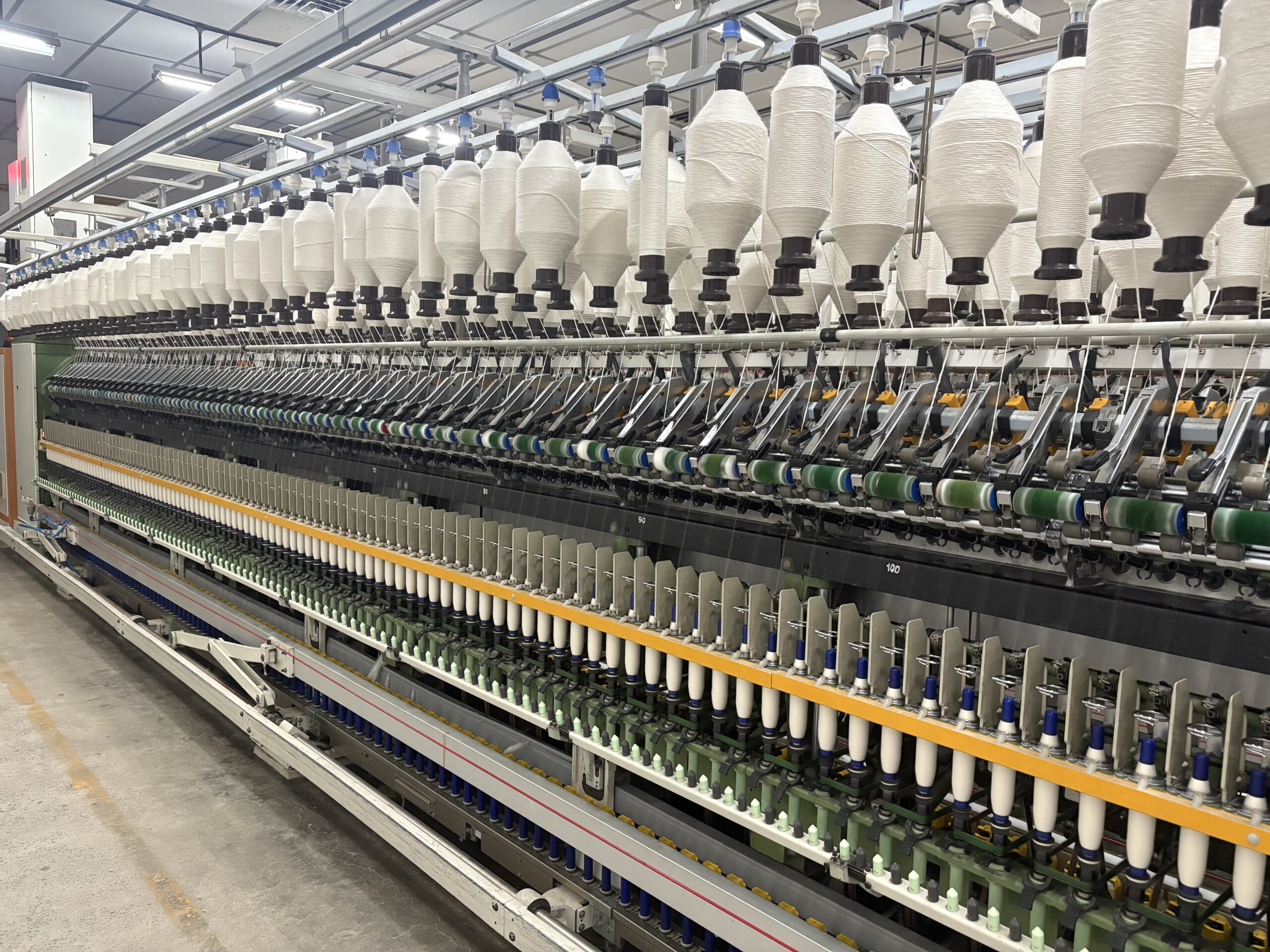
Female workers in garment factories or spinning mills often live and work in the same place. They share one room. For their safety, bank cards are held. Because they are in a remote place, for their own safety they cannot leave the premises. As considerate as this might sound, retaining documents and restricting freedom of movement are two of the ILO’s eleven forced labour indicators. When both are present at the same time, you are looking at a serious forced labour situation.
- Make sure workers receive their cards and search for options to increase their freedom safely. For example, lowering working hours so they have time to leave during daylight, arranging for transportation, or any other option that suits the specific case. Include workers and management in the decision-making process in stead of deciding a solution top-down.
Form 3: DOCUMENT RETENTION AND ABUSE OF VULNERABILITY
A third form is document retention combined with abuse of vulnerability.
The Kafala system operates across Gulf states and Jordan. Under this system, a migrant worker’s visa and residence permit are legally tied to a single employer. The worker cannot change jobs without the employer’s permission. They cannot leave the country without the employer’s permission. If they try to leave an abusive situation, they become undocumented, which in practice means they risk arrest and deportation. Take Jordan, for example, which has a significant garment sector. Two-thirds of them are migrant workers from Bangladesh, India, Sri Lanka, Pakistan, Nepal, and elsewhere. They live in dormitories controlled by their employers, often on the factory premises themselves. For the duration of their three-year contracts, changing employers is legally almost impossible. Passports are commonly confiscated. Workers have signed false statements confirming they received their wages, simply to get their documents back.
This is just one example of textiles, but it can show up in other sectors too.
- Changing the system is hard to do as a company alone, but at least you can make sure that workers have access to their own documentation and receive the wages that they are due. Have a serious conversation with your supplier, check the documentation and work with a trusted organisation on the ground that can talk to the migrant workers to verify things have improved.
Form 4: HOMEWORKERS AND CHILD LABOUR
The fourth form is informal handwork and it is one of the least visible risks in retail supply chains.
If you start paying attention, you will notice that many items have handmade details. Tassels on towels and bedspreads. Embroidery on a decorative pillow. Metal detailing on a bowl. This kind of work is almost never done in the main factory. It is often done by homeworkers: individuals working from their homes, paid per piece, without formal employment contracts, invisible to supplier audits.
The problem is not the homeworkers. The problem is what happens when piece rates are low, quotas are high, and the family is already in debt. For example, if the family borrowed money from the intermediary who gave them the work. In those conditions, children start helping. And if the parent’s situation already meets the ILO definition of forced labour, then the child working alongside them is in forced labour too.
- Make sure parents earn enough money so children do not have to help. But your first step is probably to have a look at your products and see where homeworkers might be hiding in your supply chain. Have a conversation with your tier 1 supplier and figure out where and how the details on your products are being made.
For 5: SEASONAL WORKERS
Seasonal work in agriculture—such as harvesting hazelnuts, sugar cane, or fresh berries—creates intense structural pressures that frequently trigger forced labour risks. Because harvest windows for perishable crops are extremely short (often just two to four weeks), growers face sudden demand spikes and demand extreme working hours to prevent crops from rotting in the field.
When seasonal pressures combine with piece-rate pay, unrealistic production quotas, excessive overtime becomes an indicator of forced labour.
- Replace harvest quotas with stable wages. And by no means can overtime be forced. I know what you’re thinking. You can already here your supplier go: “If workers don’t feel the pressure and the harvest rots, will you pay for it?” And the answer is yes. Shared financial responsibility is part of human rights due diligence. No, you are not supposed to take your suppliers’ seat and manage how they organise things, but you should check if the price you are paying is sufficient to hire enough workers to spread the work evenly.
Final remarks
Just five examples. Deceptive recruitment. Document retention, abuse of vulnerability. Home-based work. Seasonal and migrant workers. No contracts.
This was just a quick overview to get you thinking. It already gave some starting points. If you want to know what else you can do, follow this podcast; a future episode will cover how to address forced labour in due diligence processes.
Don’t want to wait until that episode is out but want to take action now? Plan a call!